










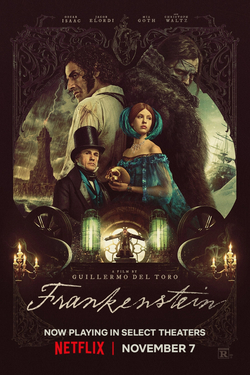
A Modern Lens on an Eternal Human Story
Guillermo del Toro’s 2025 adaptation of Frankenstein arrives with the weight of great expectations, and in many ways, it rises beautifully to the challenge. While it diverges from Mary Shelley’s 1818 masterpiece in several notable ways, those differences neither make this film superior nor diminish the brilliance of the original. Instead, they stand as two separate works of art, each powerful in its own right.
The novel remains a landmark of creative imagination and philosophical depth, a story that continues to provoke questions about creation, responsibility, and the boundaries of scientific ambition. Yet del Toro’s interpretation succeeds in translating these timeless themes into a modern cinematic expression that is both visually stunning and emotionally resonant.
A Softer, More Human Frankenstein
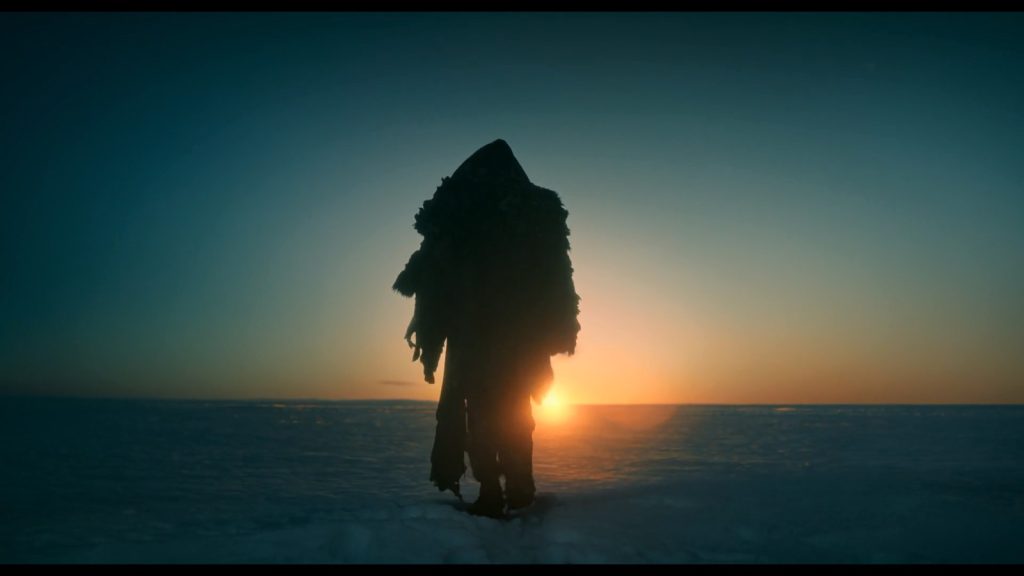
One of the most striking elements of this adaptation is its portrayal of the creature. Rather than leaning into horror, del Toro presents a version of Frankenstein’s monster that is almost adorable in his innocence — a being more misunderstood than terrifying. This creative choice steers the story toward empathy, encouraging us to question the easy labels we assign based on appearances.
In a world where judgment often occurs faster than understanding, this shift feels especially relevant. The film subtly reminds us how dangerous surface-level interpretations can be — a message as critical today as it was two centuries ago.
Technology, Then and Now
It is impossible to watch this film without acknowledging the irony of its historical roots. Mary Shelley wrote Frankenstein in 1818, long before the existence of genetic engineering, artificial intelligence, or modern biomedical technologies. Yet the questions she raised about the dangers of scientific ambition feel eerily familiar in 2025.
Del Toro leans into this contrast, using contemporary cinematic technology to breathe life into Shelley’s warnings. The result is a haunting symmetry: a story born from early visions of science now retold at a time when those visions are closer than ever to reality.
The Heart of the Story: Love and Responsibility
Beneath the themes of science and appearance lies a deeper message — one that del Toro highlights with emotional clarity: the need for love, care, and human connection.
Whether we frame it as familial responsibility, moral obligation, or the simple act of being present for one another, Frankenstein reminds us that the absence of love can create monsters, and the presence of love can heal them.
This is perhaps the most universal and enduring lesson of both the novel and the film:
that what makes us human is not our intelligence, not our achievements, but our ability to love and be loved.
It is a force powerful enough to transcend individuality and push us beyond our limits.
As Rumi beautifully expressed:
“Love is the whole thing,
We are only pieces.”
Final Thoughts
Guillermo del Toro’s Frankenstein is not a horror film in the traditional sense; rather, it is a soulful, visually rich reimagining of a classic. It honors Mary Shelley’s original while bringing fresh emotional depth and clarity to its core messages. It is a reminder of our ongoing struggle with technology, our tendency to judge by appearances, and our profound need for connection.
In the end, the film tells us what the novel has whispered across centuries:
The most powerful force in this world — and perhaps the next — is Love.